
Speed may have played a role in crash that killed Pleasanton family of 4, police say
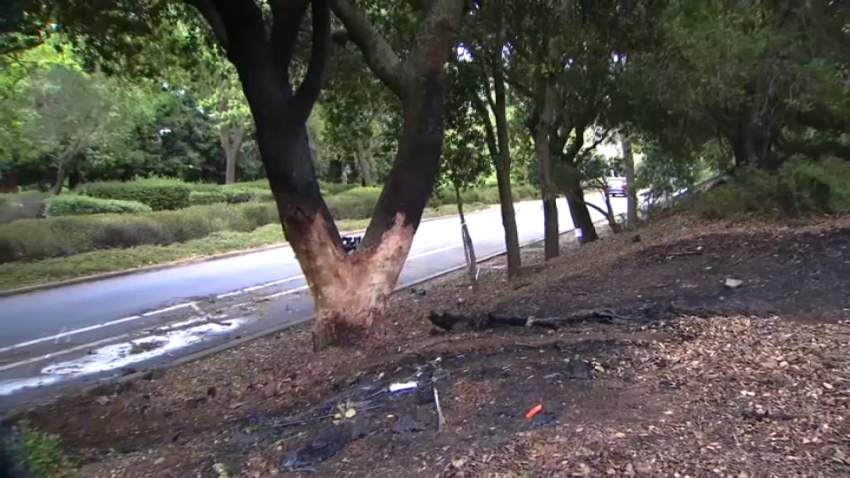
Speed may have been a factor in the fiery crash that left a Pleasanton family of four dead, police said Friday.
Speed may have been a factor in the fiery crash that left a Pleasanton family of four dead, police said Friday.
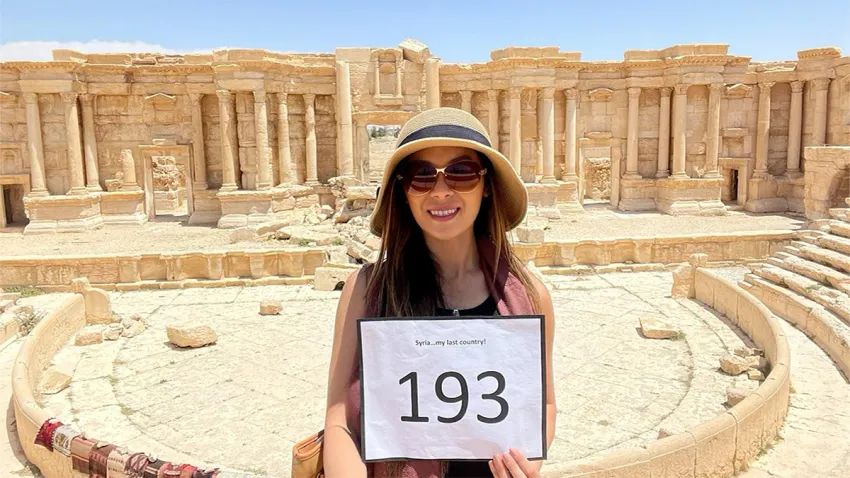
Lucy Hsu got her first passport at the age of 23. Twenty years later, she has been to every country in the world.

There are growing protests on college campuses nationwide over the Israel-Hamas war.
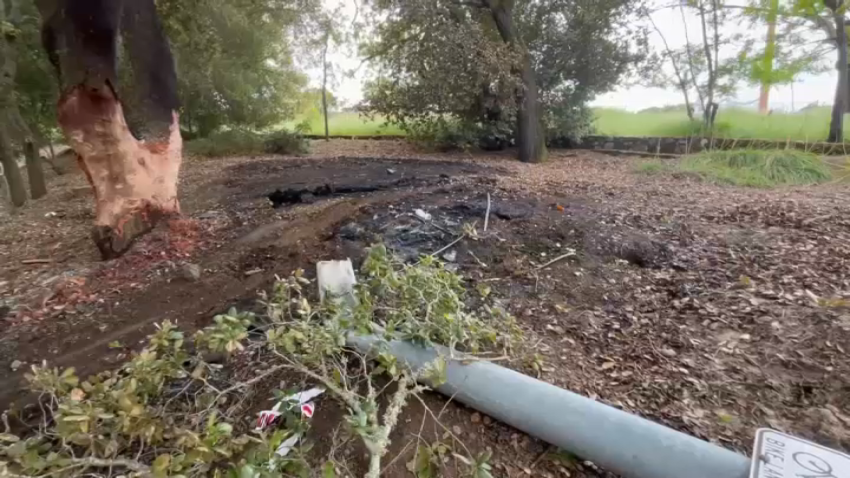
A family of four was killed in a single-vehicle crash in Pleasanton Wednesday night, according to officials.
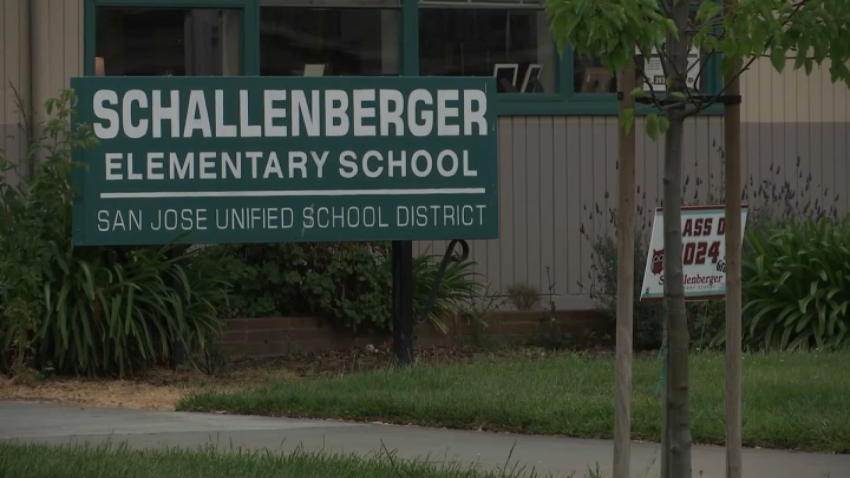
A former president of a San Jose elementary school enrichment program allegedly enriched herself by embezzling over $400,000 from the organization, police said Wednesday.

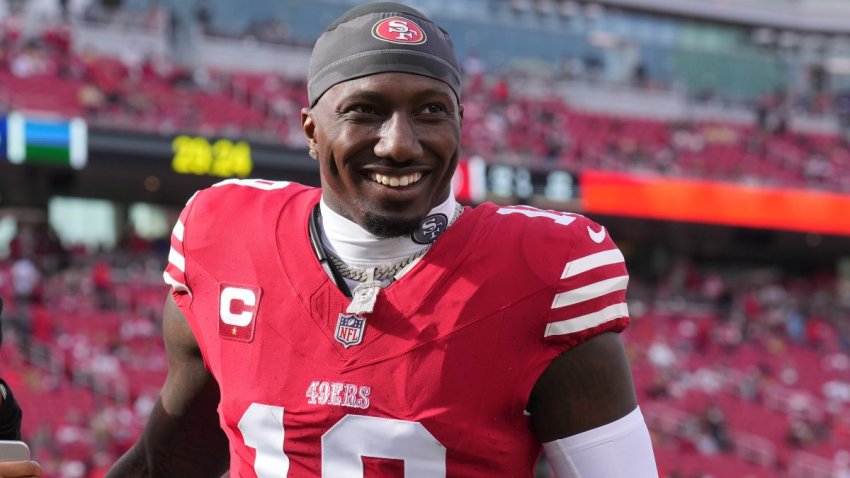
The 49ers resisted the urge to trade the No. 31 overall pick Thursday night and instead used it to draft Florida wide receiver Ricky Pearsall and fill a roster need.
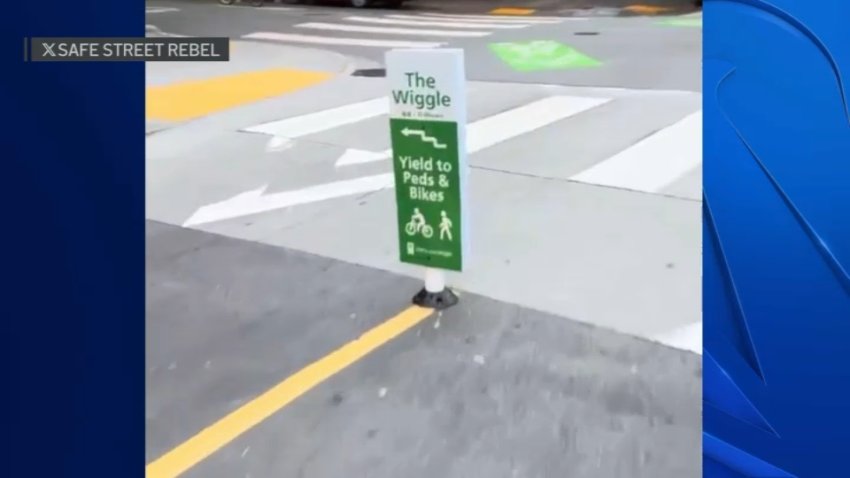
Over the last couple years, a group has taken it upon themselves to begin making what they call “guerilla traffic improvements” to several San Francisco streets.
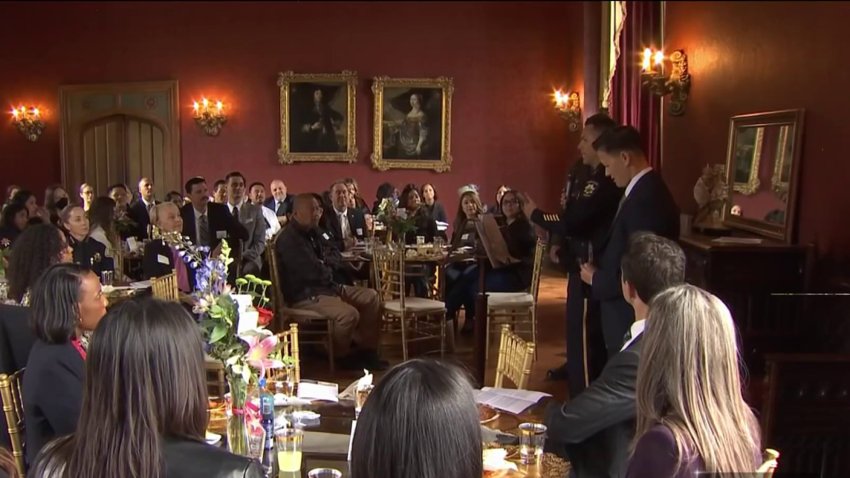
At a special ceremony in the South Bay Thursday, victim advocates recognized the unsung heroes who stepped up and came to the rescue of people in dire situations.
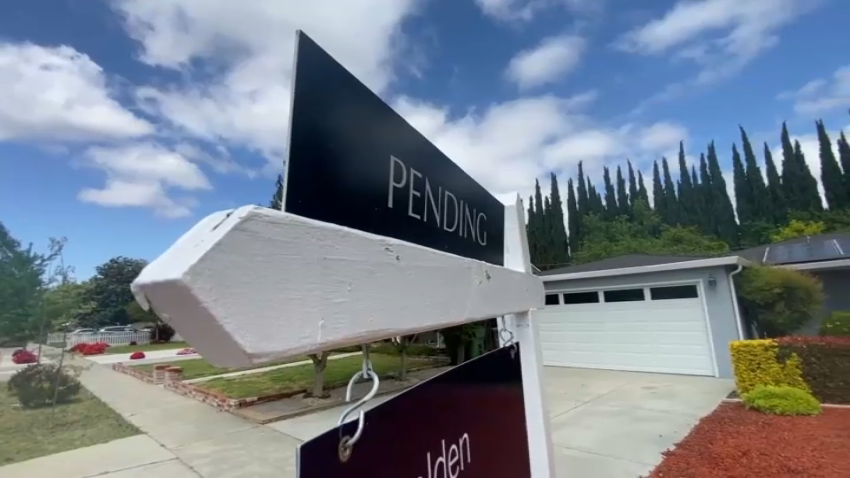
Houses for sale are getting harder to come by in the Bay Area’s biggest county.

Warriors superstar Steph Curry won the NBA Clutch Player of the Year award for his impressive 2023-24 season.

Walmart announced Thursday that it plans to close one of its locations in Fremont next month.
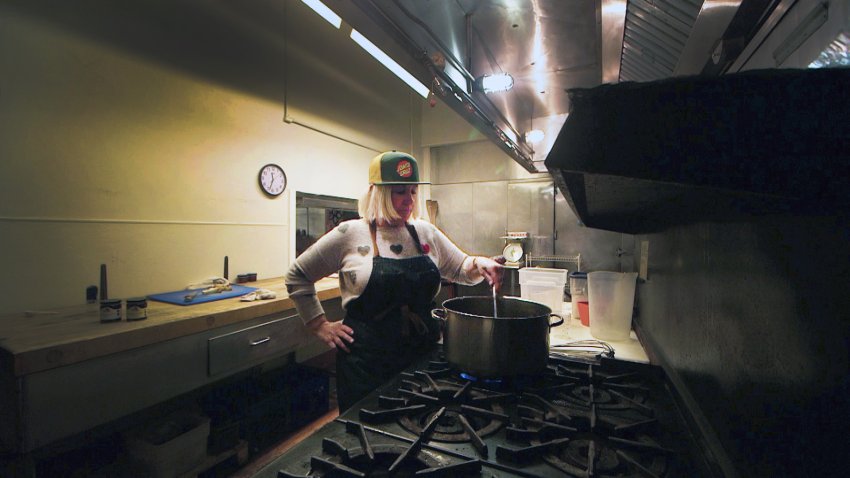
In a grocery world that dotes on the perfect looking peach or apple, Watsonville chef Tabitha Stroup is a devotee of the idea of perfection within imperfection.

The 2024 Michelin Guide hotel selection includes seven California hotels receiving the top honor.