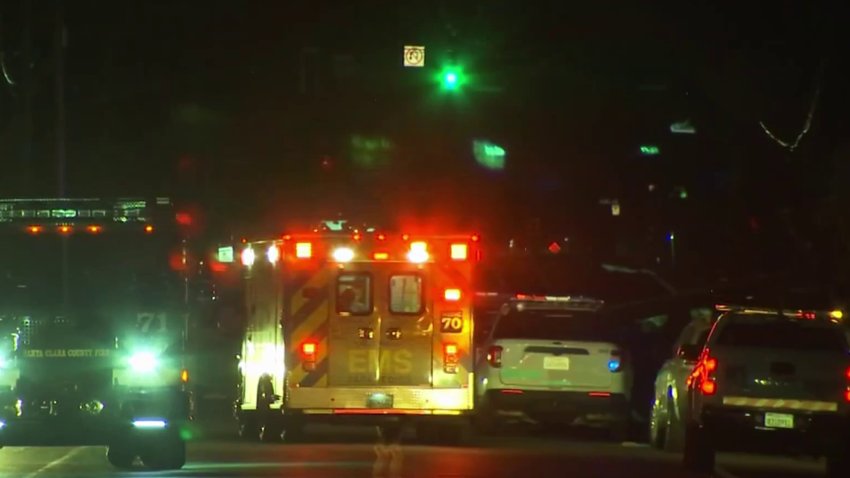
Cupertino police arrest suspected drunk driver who hit children on sidewalk
A suspected drunk driver who hit four children on a sidewalk in the South Bay is under arrest Monday.
A suspected drunk driver who hit four children on a sidewalk in the South Bay is under arrest Monday.
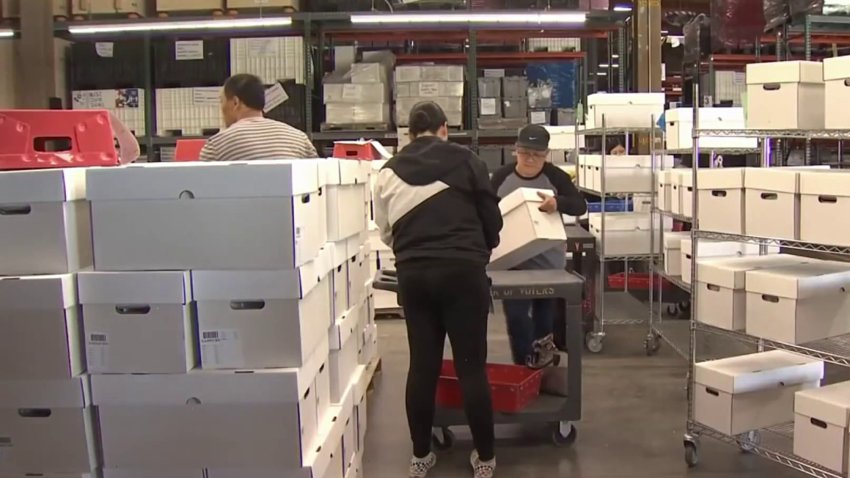
The recount in the congressional race to replace Anna Eshoo is coming to a close. But the man who requested it says it’s “mind-boggling” that it’s taking more than two weeks to recount the ballots.
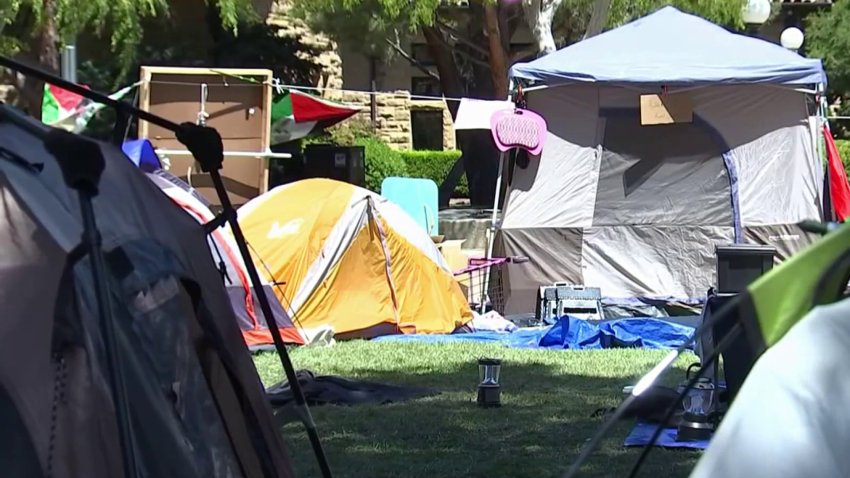
Universities across the nation are reacting to students’ pro-Palestine protests on campus.
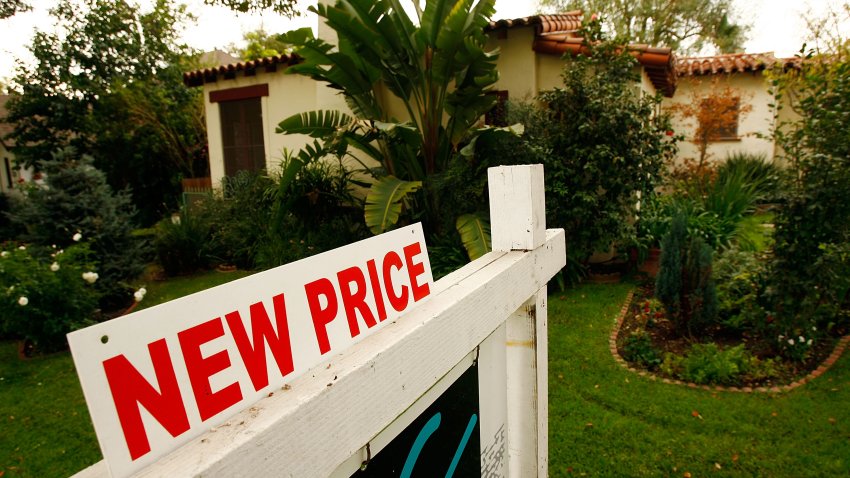
The latest housing price figures are in and they’re quite a bit higher than this time last year.
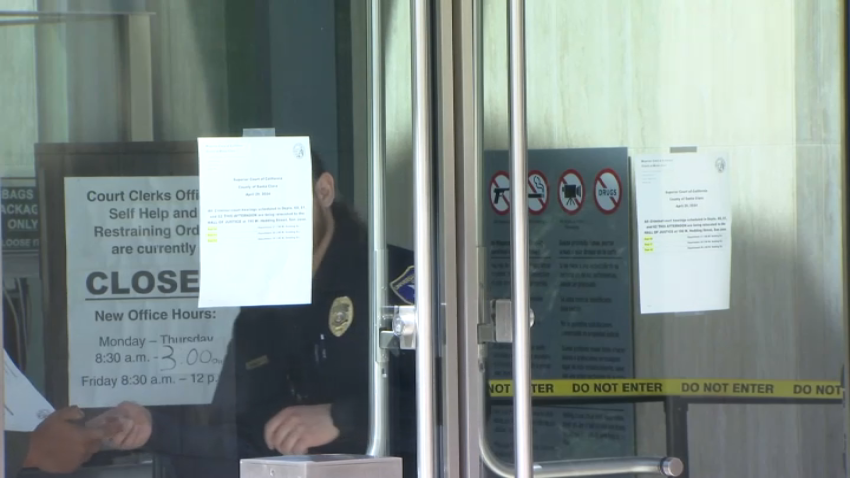
The Family Justice Center Courthouse in San Jose had to close Monday for at least the third time in the past few months because of power issues.
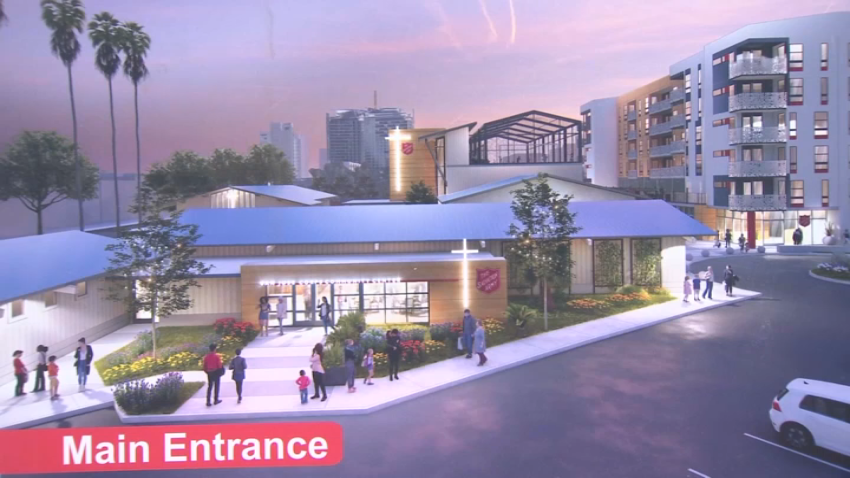
The Salvation Army is teaming up with San Jose and Santa Clara County to help tackle the South Bay’s homelessness crisis.
Kaiser Permanente on Monday said it was notifying millions of its members and patients of a data transmission to tech companies that may have included some of their personal information.
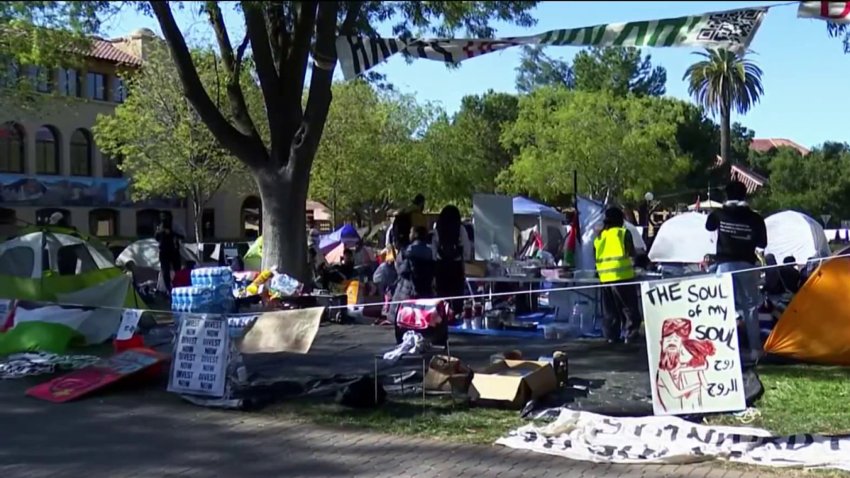
Pro-Palestinian protests continue to grow at Bay Area universities even as some students risk suspension.
A 73-year-old Saratoga man has died from injuries suffered in a collision earlier this year in West San Jose, authorities said Monday.
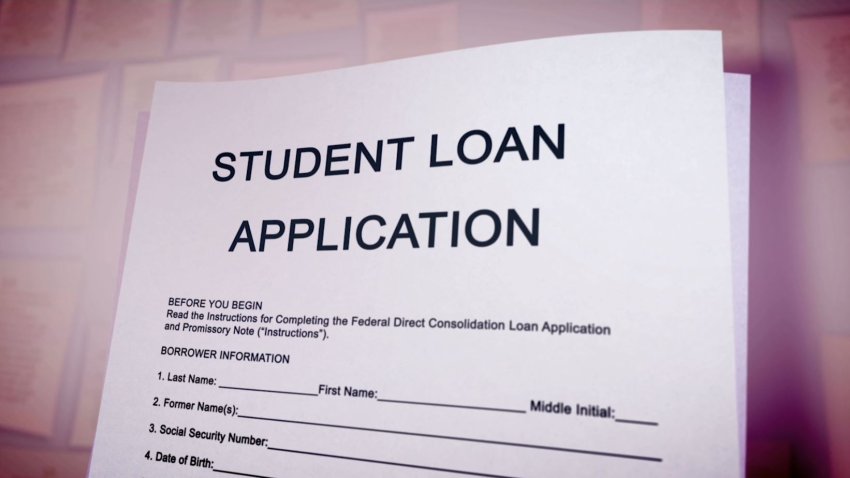
If you are a federal student loan borrower you could have the chance to receive a full cancellation of your debt or credit towards cancellation, but you must first consolidate your loans by Tuesday.
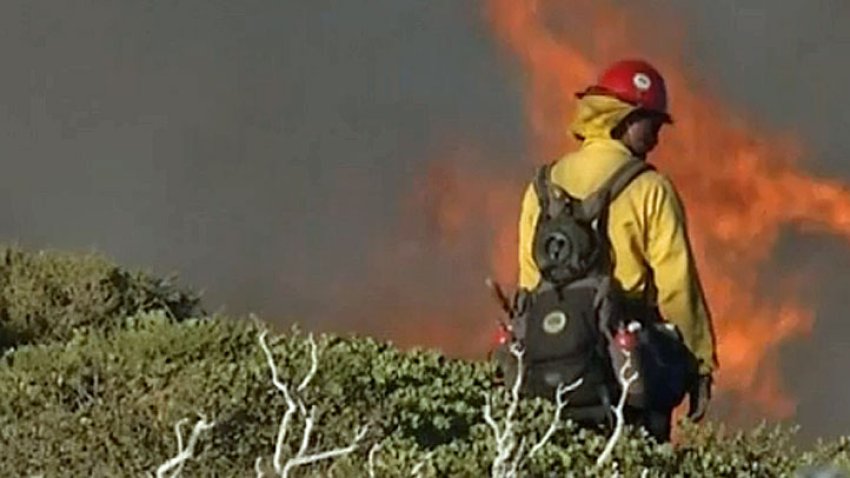
With the month of May beginning this week, with its warmer weather, lower humidity and drying vegetation, Cal Fire is urging Bay Area homeowners to do all they can to protect against fire.
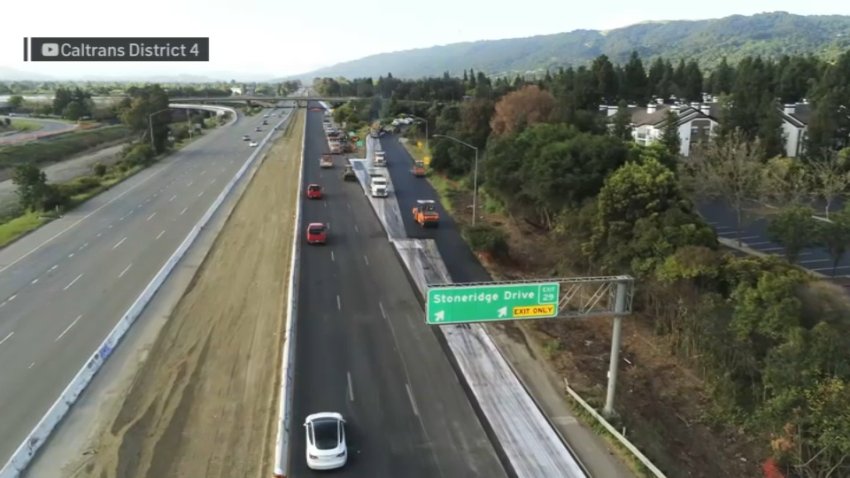
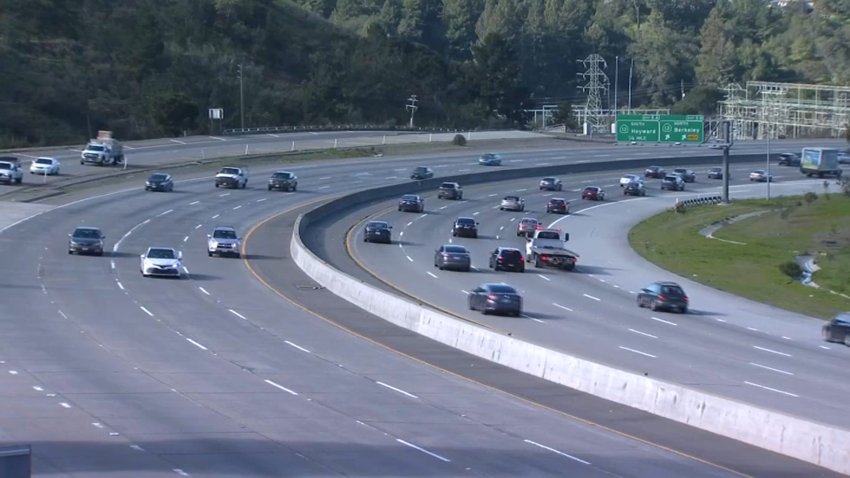
Southbound Interstate 680 in the East Bay reopened on scheule Monday morning after a full closure over the weekend for repaving work, according to Caltrans.
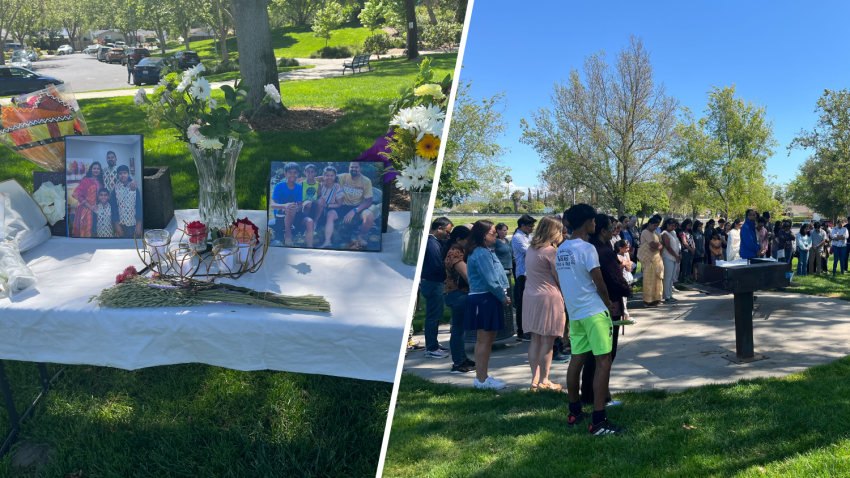
The Pleasanton community came together to remember a family of four killed in a in a fiery crash Wednesday night.